
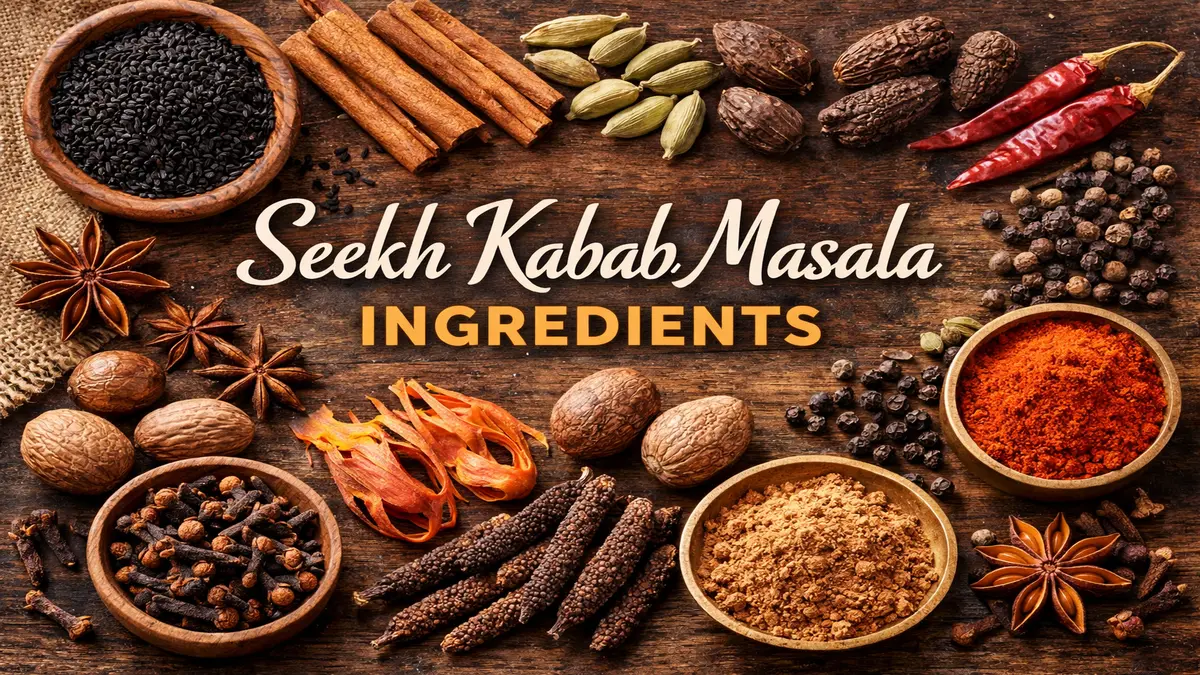
Explore the individual spices used in Seekh Kabab Masala Ingredients and learn how each contributes to the flavor, aroma, and potential health benefits of this classic blend.
Homemade spices add a distinct and aromatic flavor to the dish. Although store-bought masala is an easy option, a little extra effort can make your meal taste fantastic.
Spices & Their Roles
Seekh Kabab Masala Ingredients contain stronger spices like cinnamon, cloves, and cardamom. This spice blend contains five of the most common spices found in authentic Punjabi garam masala, i.e., black peppercorns, black cumin seeds, cinnamon sticks, black cardamom pods, and cloves.
The Seekh Kabab Masala recipe calls for the following whole spices. It’s fine if you don’t have all of these spices on hand. Use what you have in your hand, and you’ll find that the freshness alone outperforms any store-bought brand.
Star Anise
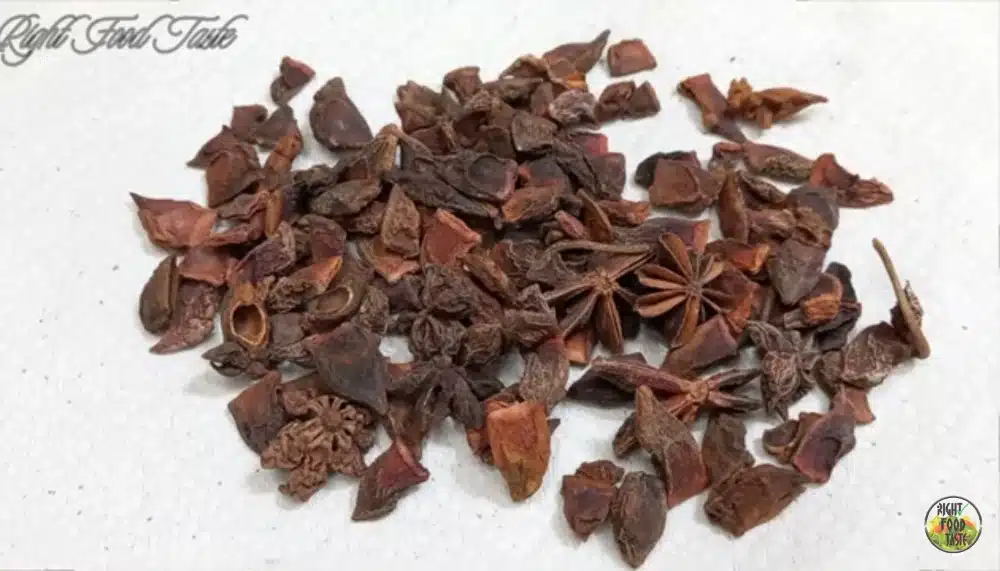
Star Anise or Badyan flower (Badyan ka Phool) imparts a wonderful and sweet fragrance to the blend. It is used in foods like biryani, soup, and other dishes. It should be used moderately. Its excessive use changes the taste of the dish.
Badyan flower is also used in the treatment of some diseases. It is an antioxidant, antifungal, and antibacterial.
Nutmeg (Jayfal)
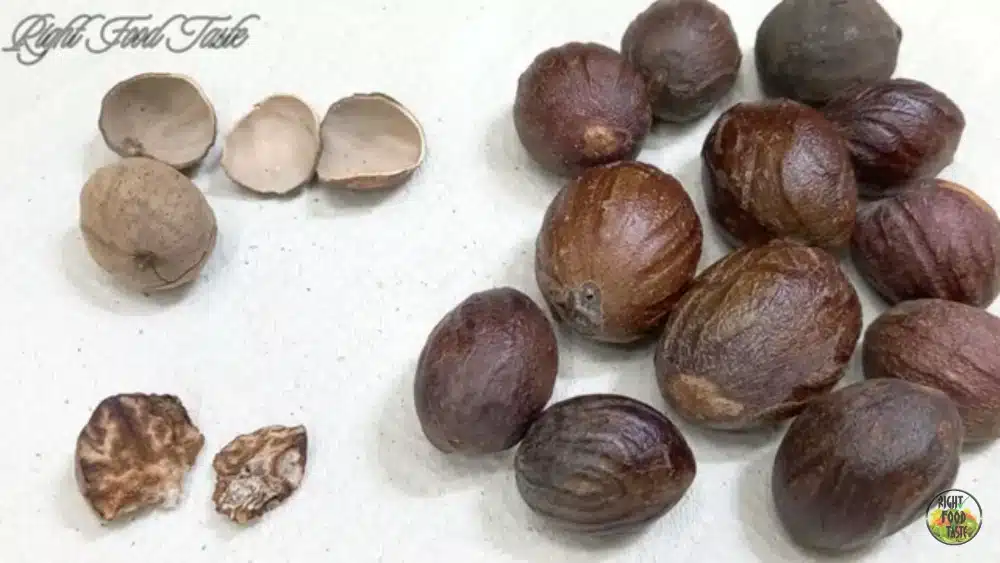
The outer hard shell of the Nutmeg is removed, and the seed inside is used as Nutmeg (Jayfal). A small quantity of Jayfal not only enhances the taste of foods but has amazing health benefits, too.
It is considered hot in its characteristics and boosts energy. It has a strong fragrance. Nutmeg is used in soup, meat gravy, steaks, and sweet dishes.
Mace (Javitri)

Mace or Javitri is the outer shell of Nutmeg (Jayfal). It separates automatically when it becomes dry. When it is fresh, its color is greenish. Upon ripening, it becomes red or yellowish. It is strong in taste and fragrance.
It is included in hot spices. In the Indian subcontinent, mace is used in preparing sweet dishes, meat, vegetables, chutneys, pulao, and in some drinks. It should be used in moderate quantities. Its excessive use can make the taste bitter.
It also has a lot of other benefits. According to herb experts, javitri has vitamins A, B1, B2, calcium, magnesium, phosphorus, and zinc in good amounts.
Cinnamon
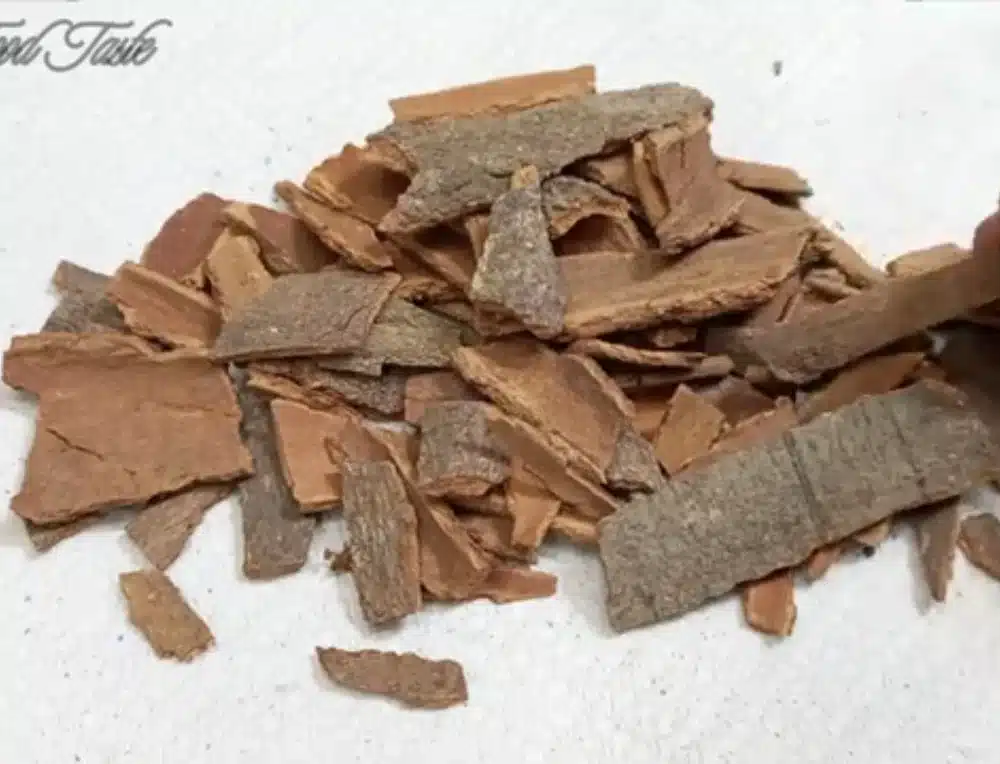
Cinnamon is among the most popular spices in the world. This is a shell of a specific tree. It contains fiber, iron, and magnesium. It enhances the taste of tea, coffee, and drinks. Besides recipes, cinnamon is also used in medicines.
Cloves
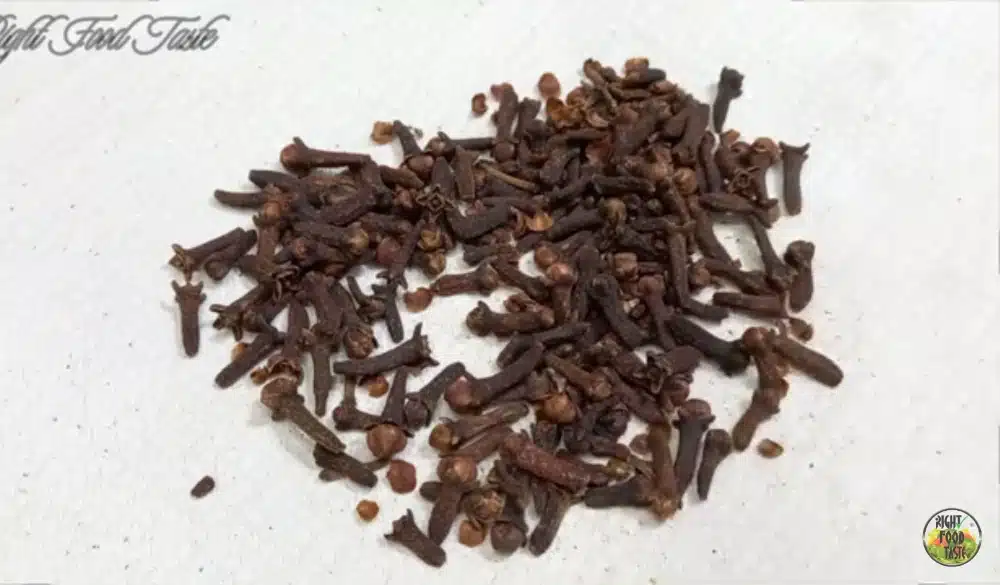
Another essential savory spice that adds texture and depth to the spice mix. According to historians, in South Asian countries, especially in China and the Indian sub-continent, the clove has been in use for 2 thousand years.
With the use of clove, not only does the taste of the food become pleasant, but it also has numerous health benefits. Cloves are also used in medicines. They contain vitamins, fiber, and minerals. They have antioxidants that have positive effects on our health.
Black Cardamom

To enhance the taste and fragrance of spicy dishes, black cardamom is always present in every kitchen. Black cardamom is larger and stronger than green cardamom.
It has many health benefits. This spice has antioxidant, anti-inflammatory, anti-ulcer, and antimicrobial characteristics. It helps not only in fighting against dreadful diseases but also in controlling infection.
Black Cumin Seeds

The history of cumin is 5000 years old. It not only has an important value among spices, but it also has many health benefits. Cumin contains proteins, carbohydrates, calcium, phosphorus, iron, magnesium, sodium, and vitamins.
We can find cumin in three colors: white, black, and golden. Black cumin seeds (kala zeera) are more robust and pungent compared to regular cumin seeds. Due to its characteristics, it has hot and dry effects on the human body.
Long Pepper

Long Pepper is also named pippali, filfil daraz, and maghan. For centuries, it has been in use to enhance the taste of meals. It has very hot and dry characteristics. Its taste resembles black pepper and cinnamon. In different dishes, it is used as a spice.
Its use protects against some diseases. It improves the digestive system and relaxes the belly by controlling gastritis (gas problem) and indigestion.
Green cardamom
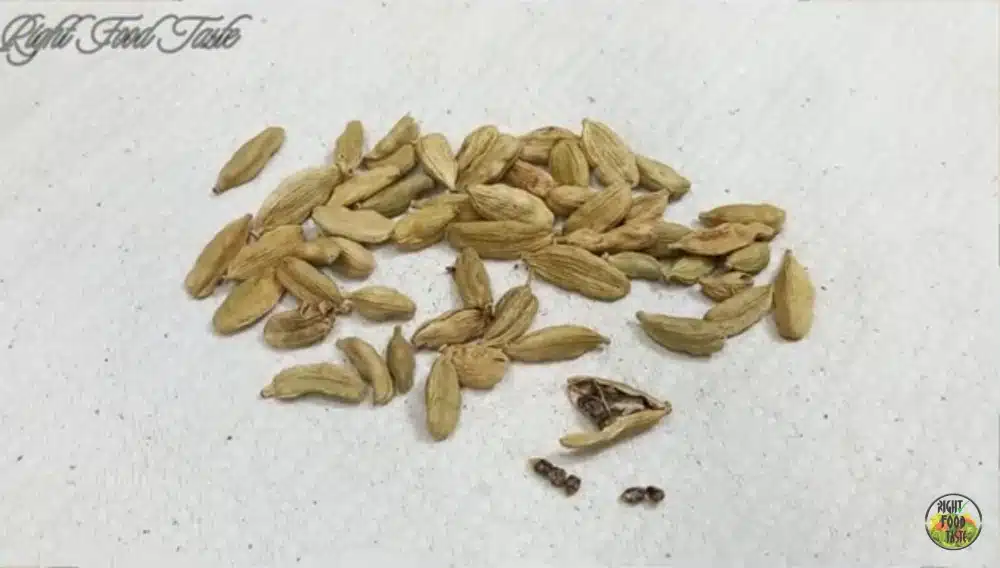
We use green cardamom in meals and drinks. It has a specific taste that gives perfection to sweet and delicious dishes.
People use it not only in sweet, curry, and meat dishes, but also in drinks like coffee and tea. It has a sufficient number of vitamins and minerals, and also contains fiber.
How These Spices Work Together
Seekh Kabab Masala combines warm, aromatic spices to enhance grilled and minced meat dishes. Spices like cumin, cardamom, and cloves lend depth, while others like star anise and long pepper add complexity.
Ready to make this spice blend? Try our Seekh Kabab Masala Recipe for a quick homemade version.
FAQs
What spices are used in seekh kabab masala?
Seekh kabab masala commonly includes nutmeg, mace, cinnamon, cloves, green cardamom, black cardamom, star anise, long pepper, and black cumin seeds.
Why are whole spices used instead of powdered spices?
Whole spices retain essential oils longer, resulting in a stronger aroma and fresher flavor when ground. This makes homemade masala more fragrant than store-bought powders.
What role do nutmeg and mace play in the masala?
Nutmeg and mace add warmth, mild sweetness, and depth. They balance stronger spices and enhance the overall aroma of the spice blend.
Can I substitute spices if some are unavailable?
Yes, similar warm spices like allspice or garam masala can be used as substitutes, but the flavor profile may change slightly.
Are the spices in seekh kabab masala healthy?
Many spices used in seekh kabab masala are traditionally valued for aiding digestion and enhancing flavor when used in moderate amounts as part of cooking.
Why is balance important in spice blends?
Balanced spices prevent any single flavor from overpowering the dish. Proper proportions ensure warmth, aroma, and depth without bitterness or excessive heat.