

Beef Shinwari Karahi is a traditional Pashtun dish originating from the Shinwari tribe of Afghanistan and Pakistan’s Khyber Pakhtunkhwa region. Known for its rich flavor and simplicity, it is prepared with minimal ingredients like beef, tomatoes, yogurt, and green chilies, making it distinct from regular beef karahi.
This highly revered Pakistani dish is gaining significant international acclaim due to its distinct flavor profile and uncomplicated preparation method.
So, if you’re in the mood for a light yet fulfilling beef karahi, give this recipe a try. After all, good food is all about good experiences, and the beef shinwari karahi is nothing short of extraordinary.
How to Make Beef Shinwari Karahi
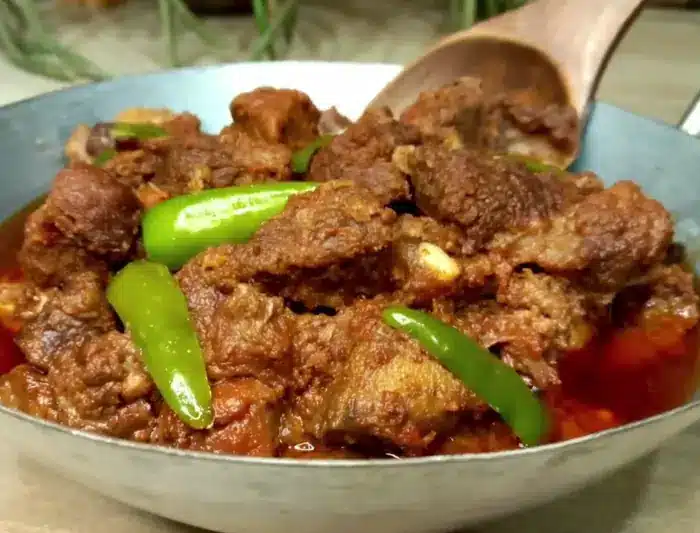
Beef Shinwari Karahi
Ingredients
Method
- The first stage involves warming up a spacious wok, or karahi, over a woodfire. Pour two cups of cooking oil, allowing it to heat before introducing the meat. You can also opt for ghee as a healthier alternative.

- Once the oil is adequately heated, add the beef to the wok. Season with one tablespoon of salt or according to your preference. Proceed to fry the meat for 8 to 10 minutes on high heat.

- The next phase requires the addition of tomatoes, cut into halves. Use ripe red tomatoes to enhance the dish's flavor and appearance. Fry these for about 2 to 3 minutes.

- Next, add about 4 to 5 glasses of water to tenderize the meat. However, you only need 2 cups of water if you're using a pressure cooker.

- Cover the wok and let the mixture simmer for 40 to 50 minutes on high heat, ensuring maximum steam retention by placing some weight over the cover.

- Once the simmering process is complete, uncover the wok and remove the skin of the tomatoes with the help of tongs.Next, check the meat's tenderness. If it's not tender enough, cover the wok and allow for more cooking time.Once done, uncover the wok and fry the mixture for 6 to 7 minutes more.

- Lastly, add one and a half cups of whisked yogurt, ensuring to keep the flame low during this process. Allow the mixture to fry until the water from the yogurt has evaporated.

- Incorporate 4 to 5 slit and deseeded fresh green chilies into the mix and sauté for about half a minute.

- With this, your beef shinwari karahi is ready to be served. Enjoy it with tandoori roti, naan, or chapati. The dish pairs well with raita and salad, adding further depth to your meal.









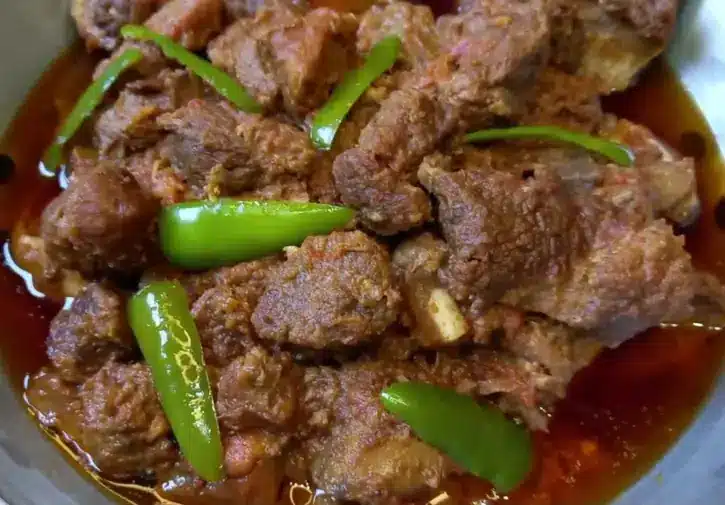
Video
Serving Suggestions
The Perfect Accompaniments
Beef shinwari karahi is a hearty dish that is best served with a side of naan bread or boiled rice. The bread or rice can be used to soak up the delicious sauce and juices from the meat.
Naan bread, in particular, pairs well with this dish as it has a slightly chewy texture that complements the tender and juicy beef.
Garnishing for Flavor and Aesthetics
Garnishing is an important part of presenting any dish, and this karahi is no exception. A sprinkle of fresh coriander leaves on top of the karahi not only adds color to your dish but also enhances its flavor.
Coriander has a unique aroma that can add freshness to any spicy meal.
Another popular garnish for beef shinwari karahi is thinly sliced ginger. Ginger not only adds an appealing look but its subtle flavor complements the bold spices in this dish while providing many health benefits.
Tips for Authentic Shinwari Flavor
- Use bone-in beef for richer taste.
- Do not add unnecessary spices — simplicity is key.
- Cook on high heat at the final stage to get restaurant-style oil separation.
- Fresh tomatoes give the best results; avoid canned tomatoes.
Variations
Spicy Shinwari Karahi
- Increase green chilies or add crushed green chili paste.
Smoky Flavor
- Finish with coal smoke (dhungar method) for an authentic restaurant aroma.
Low-Oil Version
- Reduce oil slightly, but note that traditional Shinwari karahi is oil-rich.
Frequently Asked Questions (FAQs)
Can I use mutton instead of beef?
Yes, mutton can be used, but cooking time will vary depending on the cut.
Why is my yogurt curdling?
Always whisk yogurt well and add it on low heat while stirring continuously.
Can I make this dish ahead of time?
Yes, it tastes even better the next day as flavors develop further.
The Nutritional Profile
Alongside its flavorful profile, the Shinwari Karahi also packs a nutritional punch. The dish is rich in protein due to the beef, and the spices (if used) contribute to its antioxidant properties.
However, enjoying this dish in moderation is important due to its high-fat content.
About Shinwari Karahi
Beef Shinwari Karahi holds cultural importance in Pakistani and Pashtun households, often served at family gatherings, weddings, and festive occasions. Its rich, comforting flavors make it a popular choice for sharing meals and celebrations.
Related Pakistani Beef Recipes
If you enjoy traditional Pakistani beef dishes, you may also like:
- Namkeen Gosht Pakistani Recipe – A simple, lightly spiced beef curry cooked with minimal ingredients.
- Beef Paya Recipe – A rich and flavorful Pakistani stew made with slow-cooked beef trotters.