
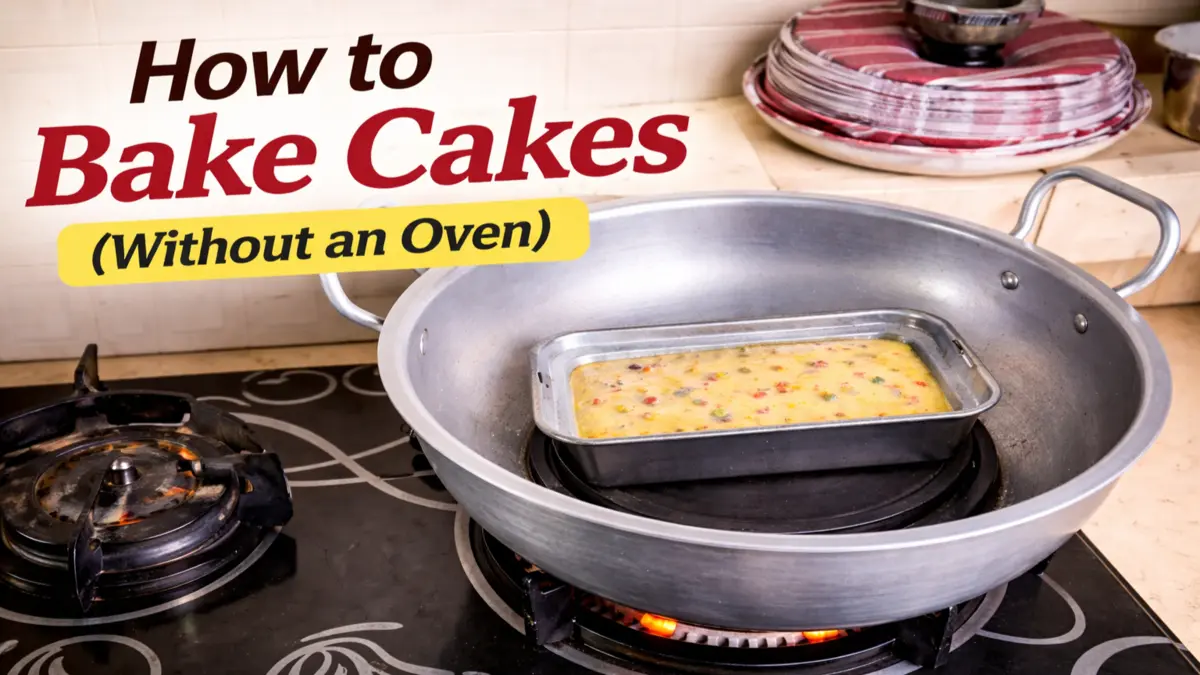
Baking a cake without an oven may sound challenging, but it’s completely possible with the right technique. In fact, stovetop cake baking has been practiced for decades in many households where ovens are unavailable. With proper heat control, spacing, and steam management, you can bake soft, fluffy cakes on a regular gas stove using everyday cookware.
This guide explains how to bake cakes on the stovetop step by step, covering pan setup, heat management, doneness tests, and common mistakes. Whether you’re baking a tea cake, fruit cake, or sponge cake, this method works reliably for all.
Why Bake Cakes on the Stovetop?
- Ideal if you don’t have an oven
- Perfect for small kitchens or shared homes
- Uses simple utensils (pan, lid, spacer)
- Produces evenly baked, moist cakes
- Great for beginners learning baking basics
Stovetop baking mimics oven heat by trapping warmth and steam inside a covered pan, creating a controlled environment similar to an oven chamber.
Equipment Needed for Stovetop Cake Baking
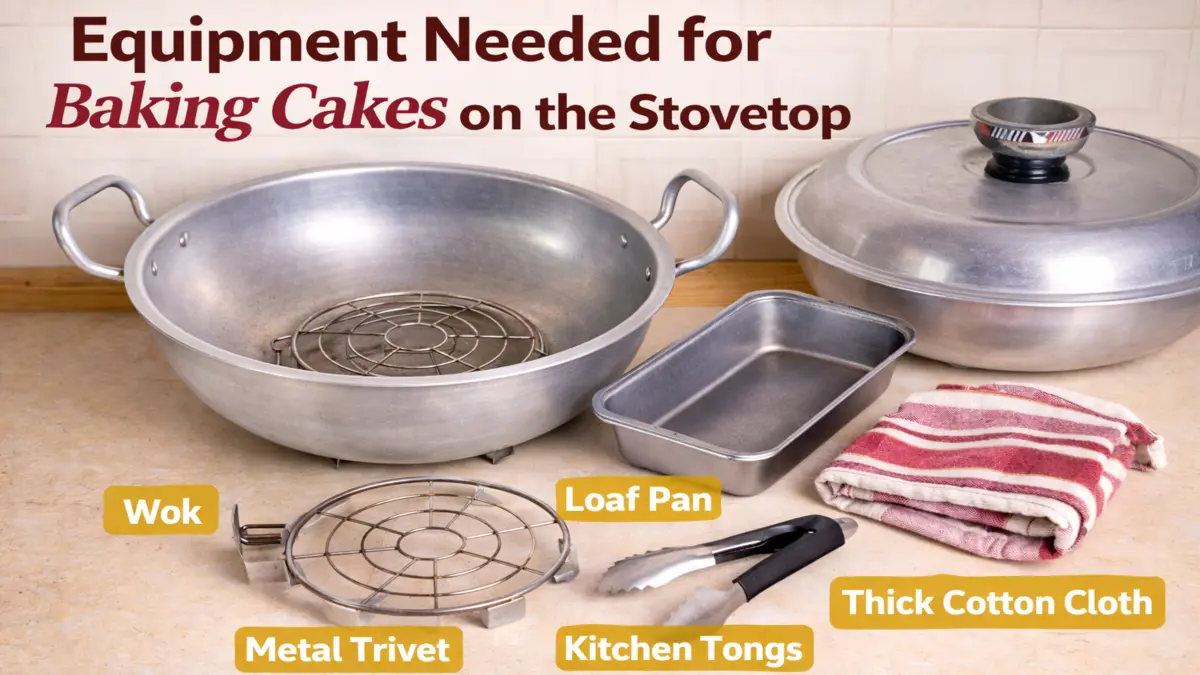
You don’t need special baking equipment. Here’s what works best:
- Heavy-bottomed cooking pan or deep wok with lid
- Metal stand, trivet, or spacer (very important)
- Cake mold or loaf pan
- Cotton cloth (optional, for steam control)
- Wire rack for cooling
- Toothpick or BBQ skewer (for doneness test)
Step-by-Step: How to Bake Cakes on the Stovetop
1. Preheat the Cooking Pan
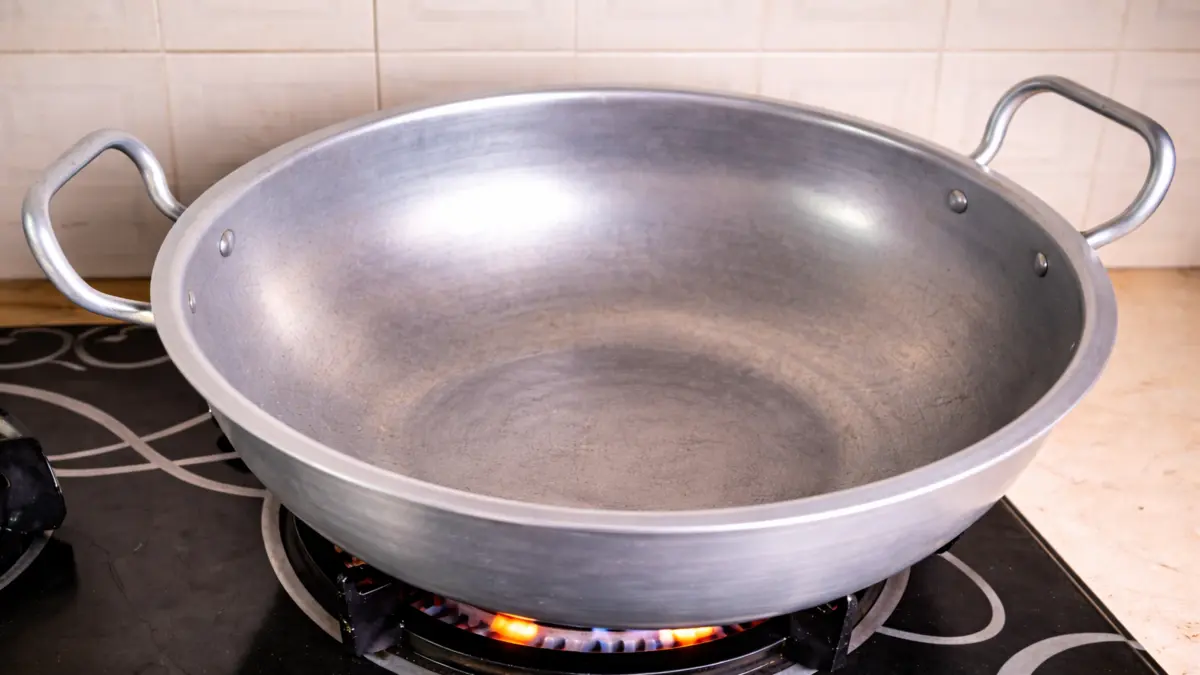
Place the empty heavy-bottomed pan on the stove and preheat it for 2–3 minutes over medium flame.
Preheating ensures:
- Stable internal heat
- Proper rise
- Even baking from the start
Avoid overheating the pan, as excessive heat can burn the cake base.
2. Use a Spacer to Prevent Burning
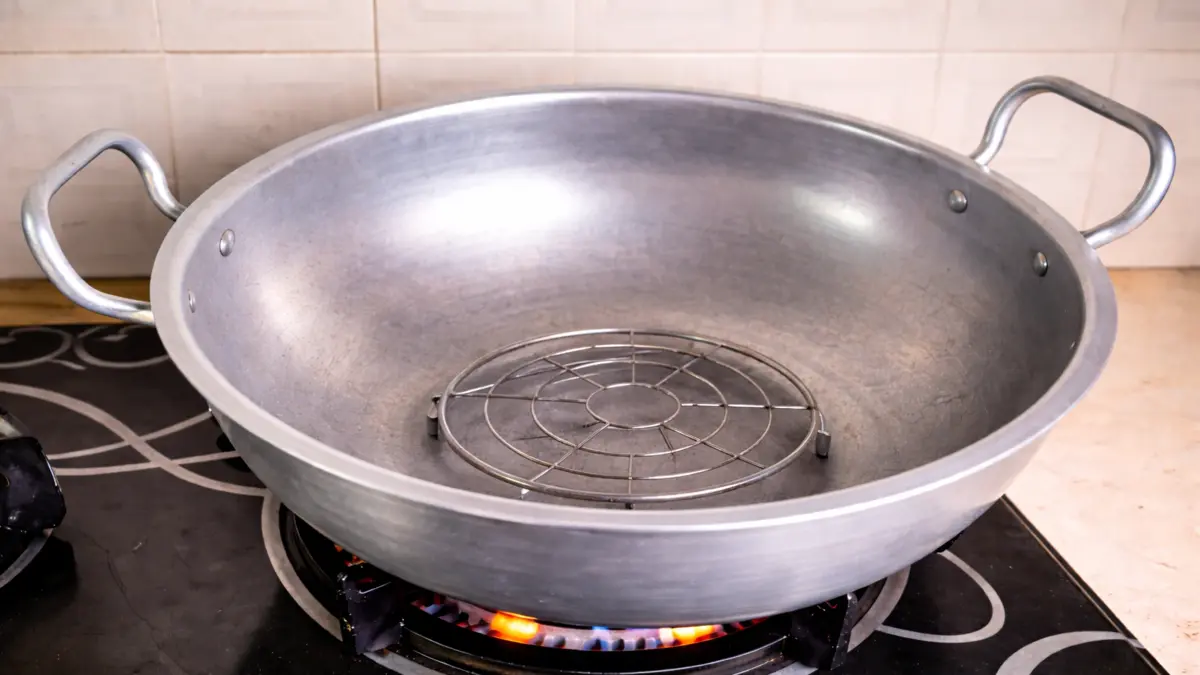
Place a metal stand, trivet, or inverted metal plate inside the pan before adding the cake mold.
Why this matters:
- Creates a gap between the flame and the cake mold
- Prevents direct heat contact
- Avoids burnt or overcooked bottoms
Without a spacer, cakes often burn from underneath before cooking through.
3. Prepare and Place the Cake Mold
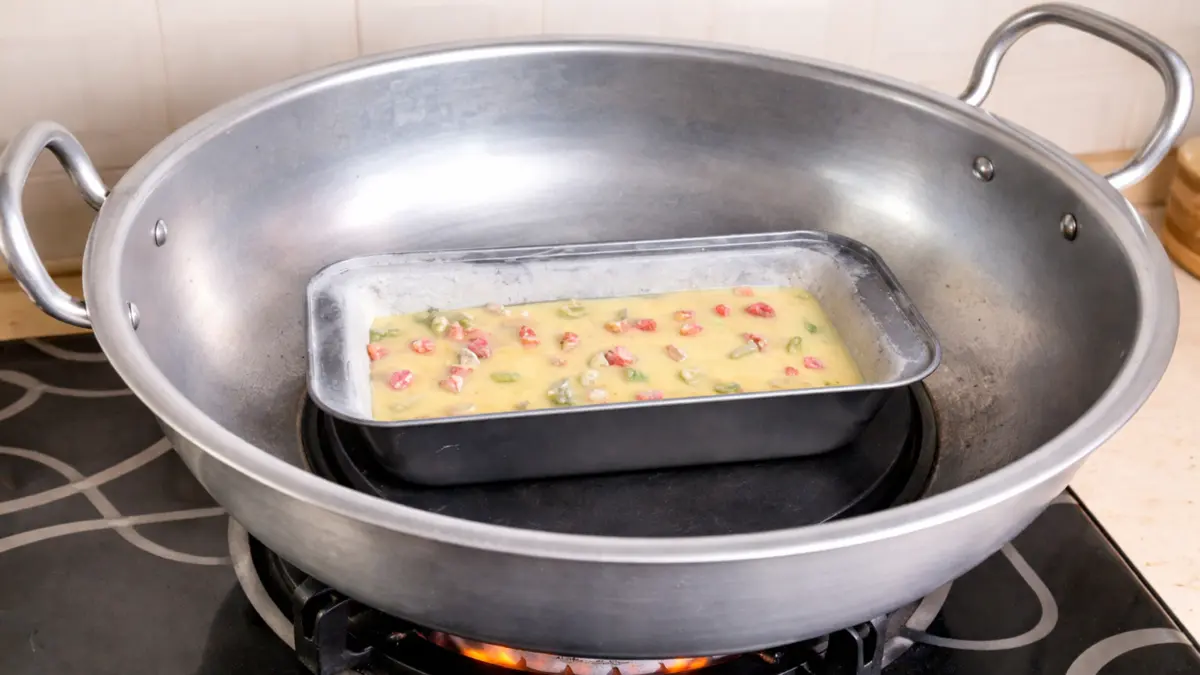
- Grease and line your cake mold as required by the recipe
- Carefully place the filled mold on top of the spacer
- Ensure the mold sits level inside the pan
An uneven mold leads to lopsided cakes and uneven baking.
4. Cover the Pan Immediately
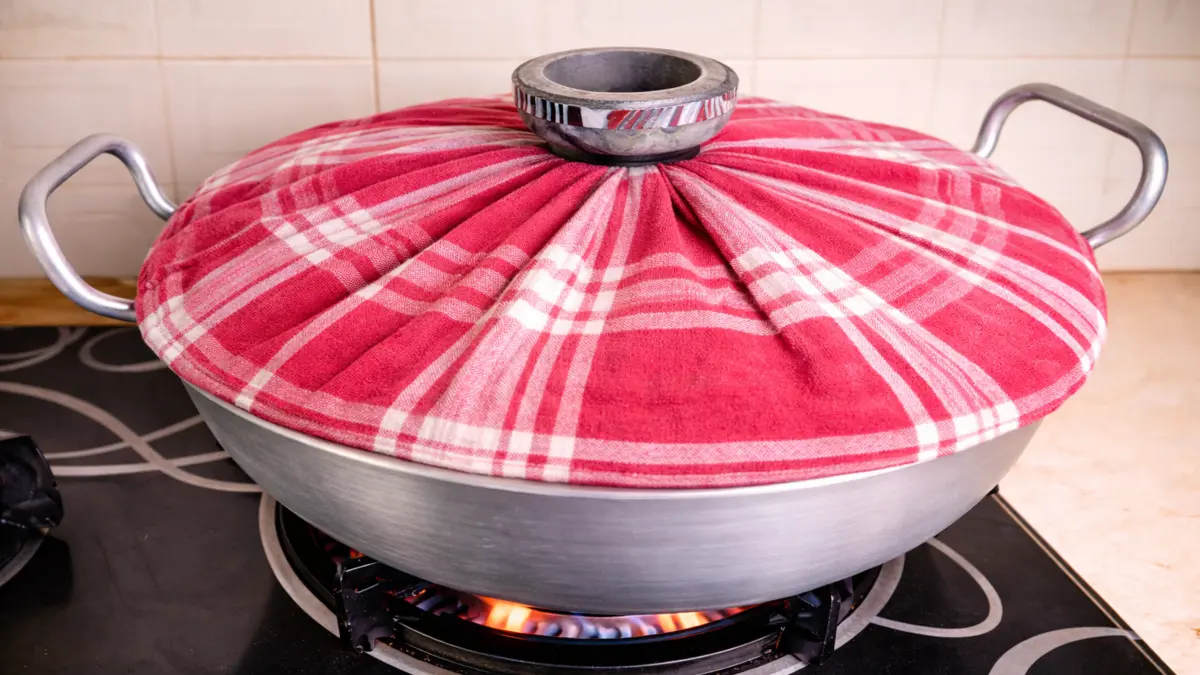
As soon as the cake mold is placed inside:
- Cover the pan tightly with its lid
- This traps heat and prevents temperature loss
For better heat retention, you can:
- Place a lightweight on the lid
- Or wrap the lid with a thick cotton cloth (explained below)
The same steam-control and spacer technique is also used in this pan-baked pizza without oven method.
Using the Cloth-Covered Lid Technique (Optional but Effective)
Covering the pan lid with a thick cotton cloth helps manage steam and moisture.
Why it works:
- Absorbs excess steam
- Prevents condensation from dripping onto the cake
- Maintains consistent internal temperature
This technique is especially useful for:
- Moist cakes (tea cake, sponge cake)
- Cakes baked for longer durations
- Cheese or dairy-rich batters
⚠️ Always secure the cloth properly and keep it away from the flame.
Heat Control for Stovetop Cake Baking
Heat management is the most important factor.
Recommended approach:
- Bake for 1 minute on medium flame (initial heat)
- Reduce flame to low
- Continue baking slowly and evenly
Most cakes bake in 35–45 minutes, depending on:
- Cake size
- Batter density
- Pan thickness
Avoid opening the lid repeatedly, as this releases heat and affects rising. Dense cakes with fruits and nuts, such as this eggless fruit cake baked on the stovetop, bake evenly using this technique.
How to Check If the Cake Is Done
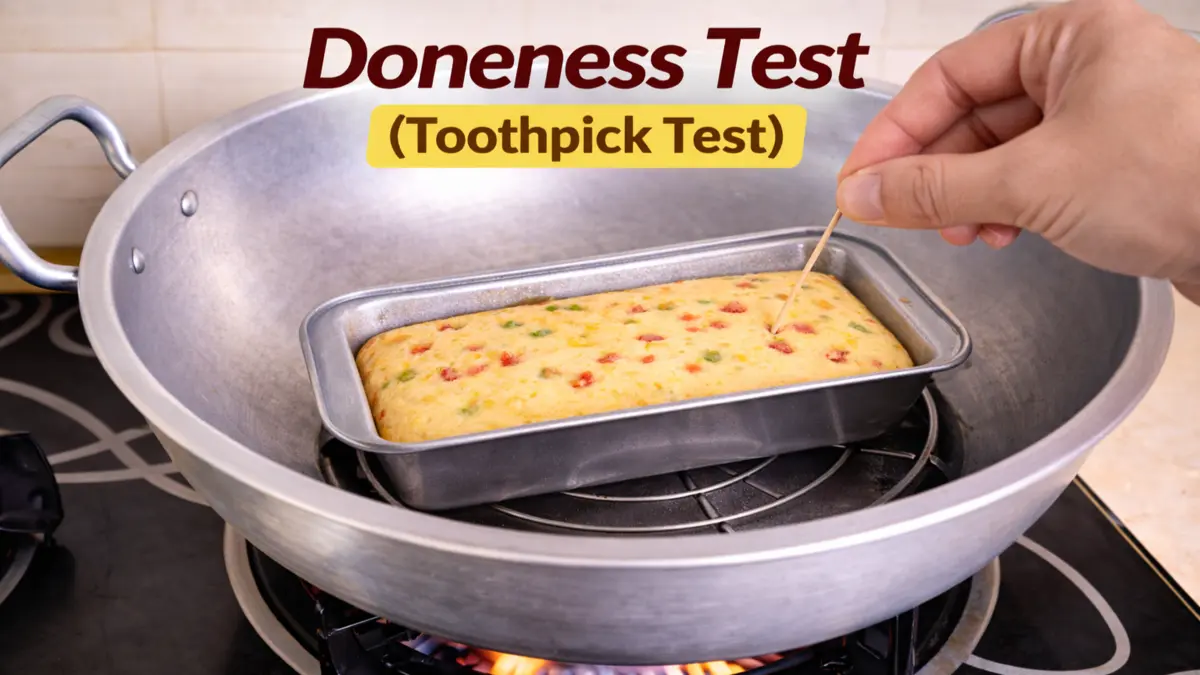
After about 35 minutes, check doneness using a toothpick or BBQ skewer.
Toothpick Test:
- Insert it into the center of the cake
- If it comes out clean, the cake is baked
- If batter sticks, continue baking and check again after 5 minutes
Do not rely only on time — always test.
Cooling and Removing the Cake
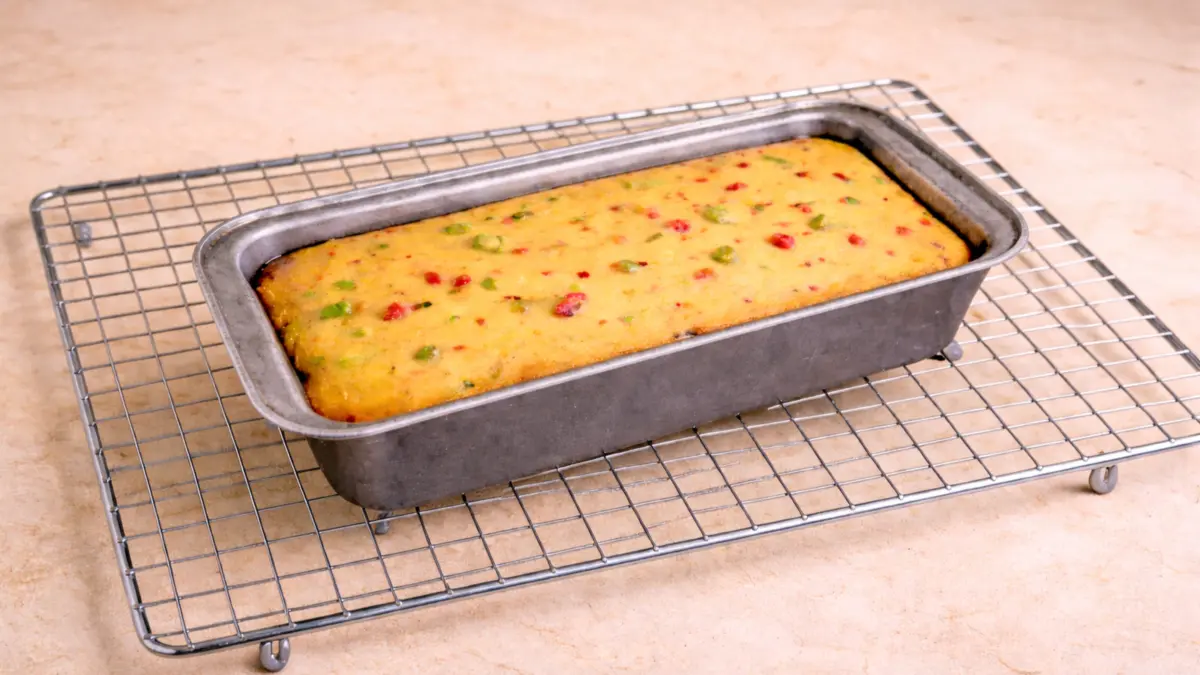
Once baked:
- Remove the cake mold carefully from the pan
- Let it cool on a wire rack for 6–7 minutes
- Gently loosen edges if needed
- Remove the cake from the mold once slightly cooled
Cutting the cake while it’s still hot can cause it to crumble or yield uneven slices.
Common Mistakes to Avoid
- Skipping the spacer (burnt bottom)
- Baking on high flame (raw center)
- Opening the lid too often
- Cutting the cake while hot
- Using thin, lightweight pans
Cakes That Work Best with This Method
This stovetop technique works well for:
- Tea cake.
- Fruit cake
- Plain sponge cake
- Marble cake
- Chocolate cake (without frosting)
You can confidently use this method for most basic cakes. This method works perfectly for soft butter-based cakes like this tea cake recipe baked without an oven.
The same steam-control and spacer technique is also used in this pan-baked pizza without oven method.
Final Thoughts
Baking cakes on the stovetop is a reliable, practical alternative to oven baking when done correctly. With proper preheating, spacing, heat control, and patience, you can achieve soft, evenly baked cakes using everyday kitchen tools.
Once you master this technique, you’ll be able to bake confidently—even without an oven.
FAQs
Can you bake a cake on the stovetop without an oven?
Yes, you can bake a cake on the stovetop using a heavy pan or wok with a tight lid. By preheating the pan, using a metal spacer, and baking on low heat, the cake cooks evenly without burning.
What type of pan is best for stovetop cake baking?
A heavy-bottomed pan or wok with a tight-fitting lid works best. Heavy cookware distributes heat evenly and prevents the cake from burning at the bottom.
Why is a metal spacer needed when baking a cake on the stove?
A metal spacer creates a gap between the pan and the cake mold, preventing direct heat contact. This helps the cake bake evenly and avoids a burnt base.
How do you preheat a pan for baking a cake without an oven?
Preheat the empty pan with the lid on over medium heat for 2–3 minutes. Always place the spacer inside the pan before putting the cake mold in.
Why should the lid be covered with a cloth while baking?
Covering the lid with a thick cotton cloth traps steam inside the pan. This helps maintain even heat, prevents moisture from dripping onto the cake, and results in a softer crumb.
How long does it take to bake a cake on the stovetop?
Most stovetop cakes bake in 35–45 minutes on low heat after initial preheating. Baking time may vary depending on pan size and cake thickness.
How do you check if a stovetop cake is fully baked?
Insert a toothpick or skewer into the center of the cake. If it comes out clean, the cake is done. If batter sticks, bake for a few more minutes.
Can all cake recipes be baked on the stovetop?
Most simple cakes like tea cake, fruit cake, sponge cake, and butter cake work well on the stovetop. Cakes requiring high dry heat may need recipe adjustments.
Does stovetop baking affect cake texture?
No. When baked correctly with low heat and steam control, stovetop cakes turn out soft, moist, and evenly baked—very similar to oven-baked cakes.
What are common mistakes when baking a cake without an oven?
Common mistakes include high heat, skipping the spacer, opening the lid too often, and not preheating the pan properly.